Colombia | Organic | Washed
- Regular price
-
$22.00 - Regular price
-
- Sale price
-
$22.00
Full-bodied - Cocoa - Nuts - Spice
Couldn't load pickup availability
Organic Colombian Coffee. Naturally good.
Rich dark cocoa, roasted nuts and a hint of spice, all wrapped in a smooth, creamy body. There’s plenty to love about our new organic Colombian coffee.
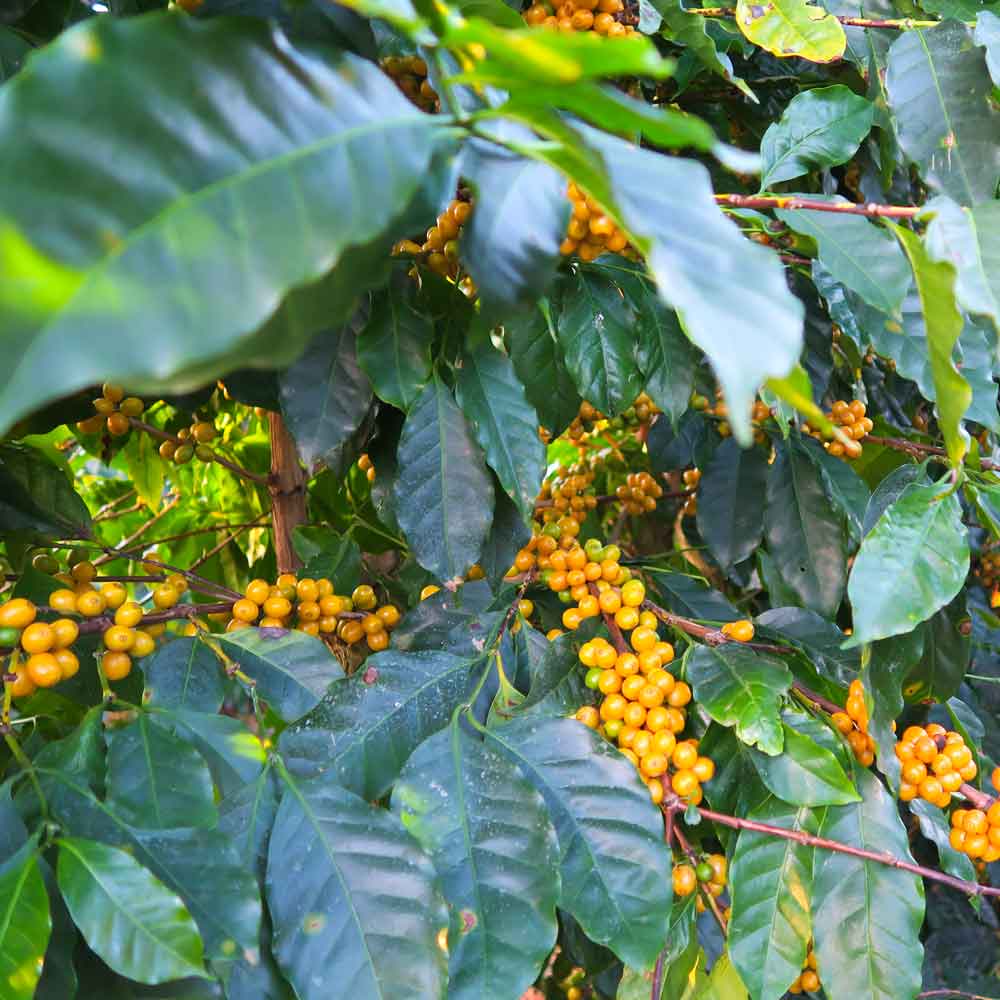
Grown without synthetic fertilisers or pesticides, organic farming helps protect healthy soils, support biodiversity and care for the land.
Better farming practices. Great tasting coffee. That's our kind of good.
| Chocolatey |  |
Wild & fruity |
| Mild acidity |  |
Bright |
| Light roast |  |
Dark roast |
More amazing stuff to know.
About this Colombian coffee.
- Origin: Colombia
- Processing method: Washed
- Varietal: Mixed Arabica (Caturra, Colombia, Tipica, Castillo)
- Altitude: 1000 - 1800 MASL
- Farmer certifications: Certified Organic
Try our brew recipe. Or create your own.
Recipe
Dose: 22g
Yield: 44g
Extraction ratio: 1 : 2
Extraction time: 28 - 32 seconds
Water temperature: 93.5oC
About the recipe
We used the Victoria Arduino Eagle One Prima and the Mythos MYG75 grinder to create this recipe for you. Try to replicate this recipe on your equipment or create your very own.
The dose is the amount of ground coffee that goes into the filter basket of your portafilter. Filter baskets come in different sizes. The size of your portafilter determines how much coffee (fill weight) it can hold. You don’t want to overfill or underfill the basket, as it will compromise the extraction.
The yield is how much delicious coffee you extract or, in order words, ends up in your cup.
And because you may have a different basket size than ours, you want to use a yield based on your dose and the given extraction ratio.
The extraction time tells you if the water has enough time to extract all the tasty goodness in the coffee. Adjusting your grind size will help you to achieve the suggested time in our recipe. You want to grind finer if you extract a yield in a shorter time. And grind coarser if you achieve the yield in a longer time than suggested.
Join our training courses
Want to learn more about how to extract a tasty espresso? Join us for a fun and hands-on training course at our roastery.
Better for the environment.
Organic matters.
Over recent decades the demand for organically grown produce has increased, with many of us wanting to live healthier and more sustainable. Generally, a crop can be called organic if it’s certified to have grown on soil with no prohibited substances applied for three years before harvest. Prohibited substances include most synthetic fertilisers and pesticides.
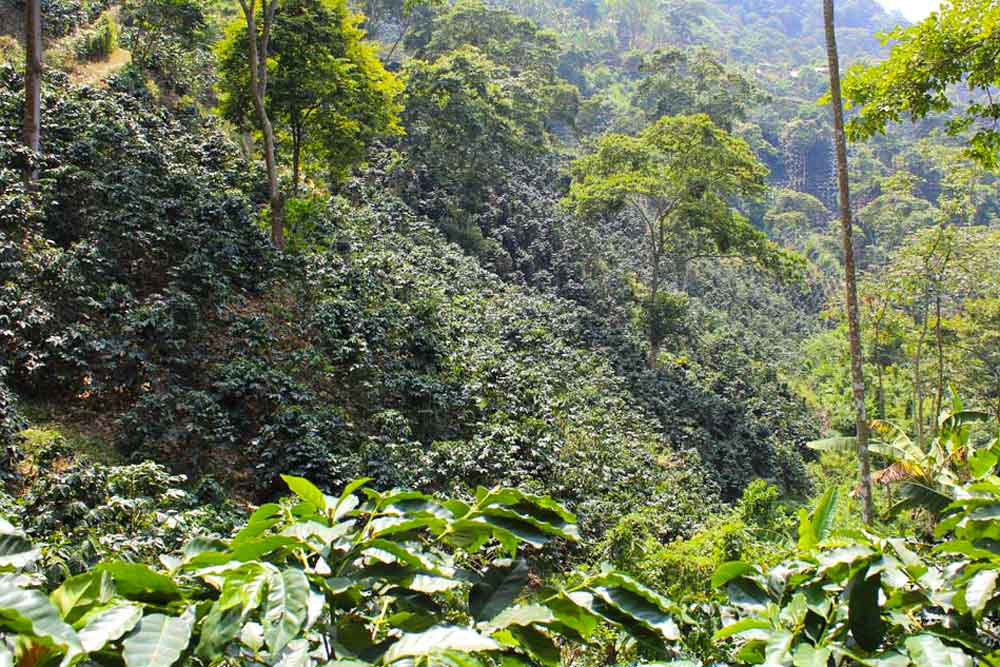
Organically grown coffee has a direct positive impact on the environment. Not only are carbon emissions avoided relating to synthetic fertilisers, organic farming practices using organic fertiliser and agroforestry, whereby coffee trees are shade-grown in co-existence with native trees and fruit trees, help to create healthy soil, which in turn helps to store carbon and promotes a healthy ecosystem where local flora and fauna thrive. Win-win.
A brief history.
Colombian coffee.
Colombia is recognised as one of the world's most progressive specialty coffee origins. Blessed with ideal temperature, altitude, solar radiation, rainfall and quality soil, these growing conditions enable farmers to grow rich coffee profiles these growing conditions with clean aromas, medium to high acidity and a good body.
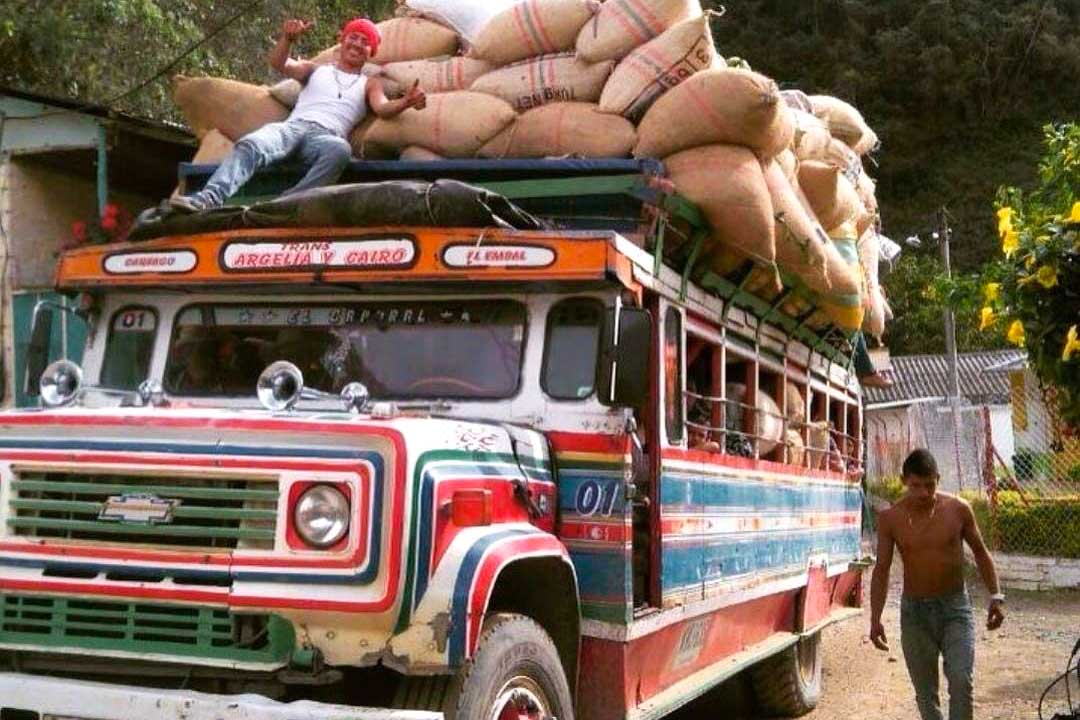
Whilst the introduction of coffee in Colombia came through Jesuit priests that spread the seed throughout the country in the 16th century, it was not until 1835 that Colombia started exporting coffee. At first, there was a lot of resistance from the people to grow coffee. This is mainly due to the long cycle from seedling to the first harvest, which typically takes 3 -5 years. Now, legend tells that a Jesuit priest, Francisco Romero, offered the people to plant four coffee trees instead of giving the regular penance at confession.